

How to Advocate for Yourself at the Doctor When Nobody Is Listening
READING TIME
5 min
AUTHOR

The Cyclist
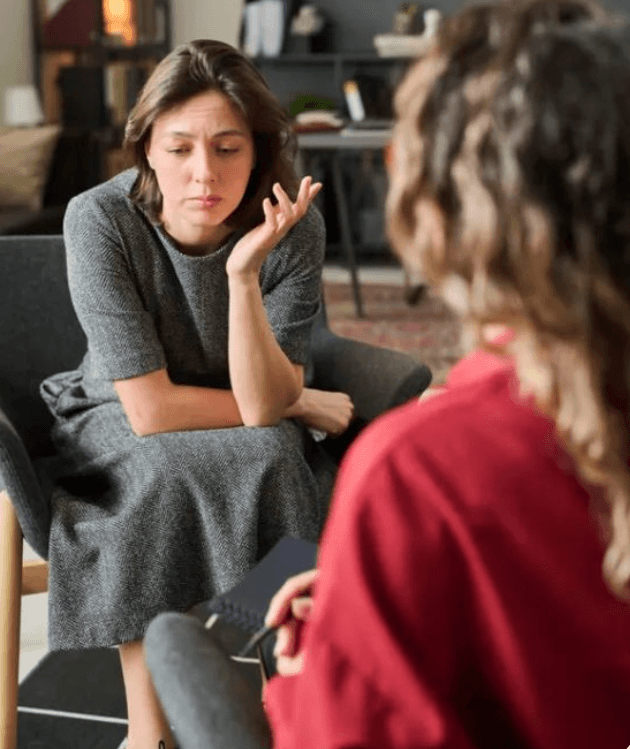
You've explained your symptoms. Again. You've sat in the waiting room, filled out the forms, described the pain as best you can and once again, you've walked out with a prescription for painkillers and a dismissive "it's probably just your cycle."
For women navigating conditions like endometriosis, this experience is too common.
The uncomfortable truth is that women's pain is consistently underestimated in medical settings. Studies show that women wait longer in emergency rooms, are less likely to be referred for further investigation, and are more often told their symptoms are psychological.
So what do you do when the system isn't working for you? You advocate. Loudly, persistently, and without apology.
Here's how.
1. Track Everything
Before your next appointment, start keeping a symptom diary. Note:
When pain occurs and how severe it is (rate it out of 10)
Where in your cycle you are when symptoms flare
How symptoms affect your daily functioning — are you missing work? Unable to exercise? Bedridden?
Any other symptoms: nausea, bloating, fatigue, pain during sex, bowel or bladder changes
The paper trail matters. It shifts the conversation from "I just feel bad sometimes" to here is a pattern, here is evidence, and here is how this is impacting my life.
2. Use Specific, Functional Language
Doctors respond to clinical language and functional impact. Instead of saying "my periods are really painful," try:
"My pain is an 8 or 9 out of 10 on day one and two of my cycle."
"I have had to take time off work on multiple occasions due to period pain."
"I am unable to have sex without significant pain."
"Over-the-counter pain relief is not touching the pain."
Communicating clearly is how you can get the specialist to understand how bad the pain is impacting you.
3. Say the Word "Endometriosis"
Many GPs won't bring it up unless you do. You could say something like:
"I've been researching my symptoms, and I'd like to be investigated for endometriosis. Can you refer me to a gynecologist?"
You have every right to request a referral. You are not overstepping. You are advocating for a better quality of life.
4. Bring Someone With You
Sometimes, having another person in the room changes everything.
A support person, whether this is a parent, partner, or friend, can help you stay calm, take notes, ask follow-up questions, and make sure nothing important is glossed over. There is no shame in bringing backup and sometimes it's nice to have someone close to you understand what you're going through.
5. Know When to Find a Different Doctor
Not every GP are across women's health conditions. Not every gynaecologist specialises in endometriosis. And not every doctor will take you seriously.
If you have been dismissed repeatedly, it is completely reasonable, and sometimes often necessary, to seek a second opinion. Look for:
A gynaecologist with a known interest in endometriosis or chronic pelvic pain
Reviews or recommendations from the endo community (online communities and patient forums are often gold for this)
A doctor who says "I believe your symptoms"
You are not being difficult. You are not wasting anyone's time. Finding the right doctor is part of the process.
6.A clear scan doesn't always mean nothing is wrong
A clear ultrasound does not rule out endometriosis. For example, Georgie who was a guest on The Cyclist Podcast in 2025, had multiple blood tests, internal and external scans, and they all came up clear. However, after continuing to advocate for herself, she finally had surgery and found out she had stage 3, borderline stage 4 endo that had spread across her bowel, rectum, and ligaments. The only way to definitively diagnose endometriosis is through a laparoscopy.
If a scan comes back clear but your symptoms persist, it's okay to push for further investigation.
Keep educating yourself
There are some incredible support communities out there who can offer lots of support such as:
@Endometriosisnewzealand (instagram)
nzendo.org.nz
nsightendometriosis.org.nz
endowarriorsaotearoa.com
Want to hear more real stories from women navigating endo and chronic illness? Listen to The Cyclist Podcast and follow us at @wearethecyclist.
