

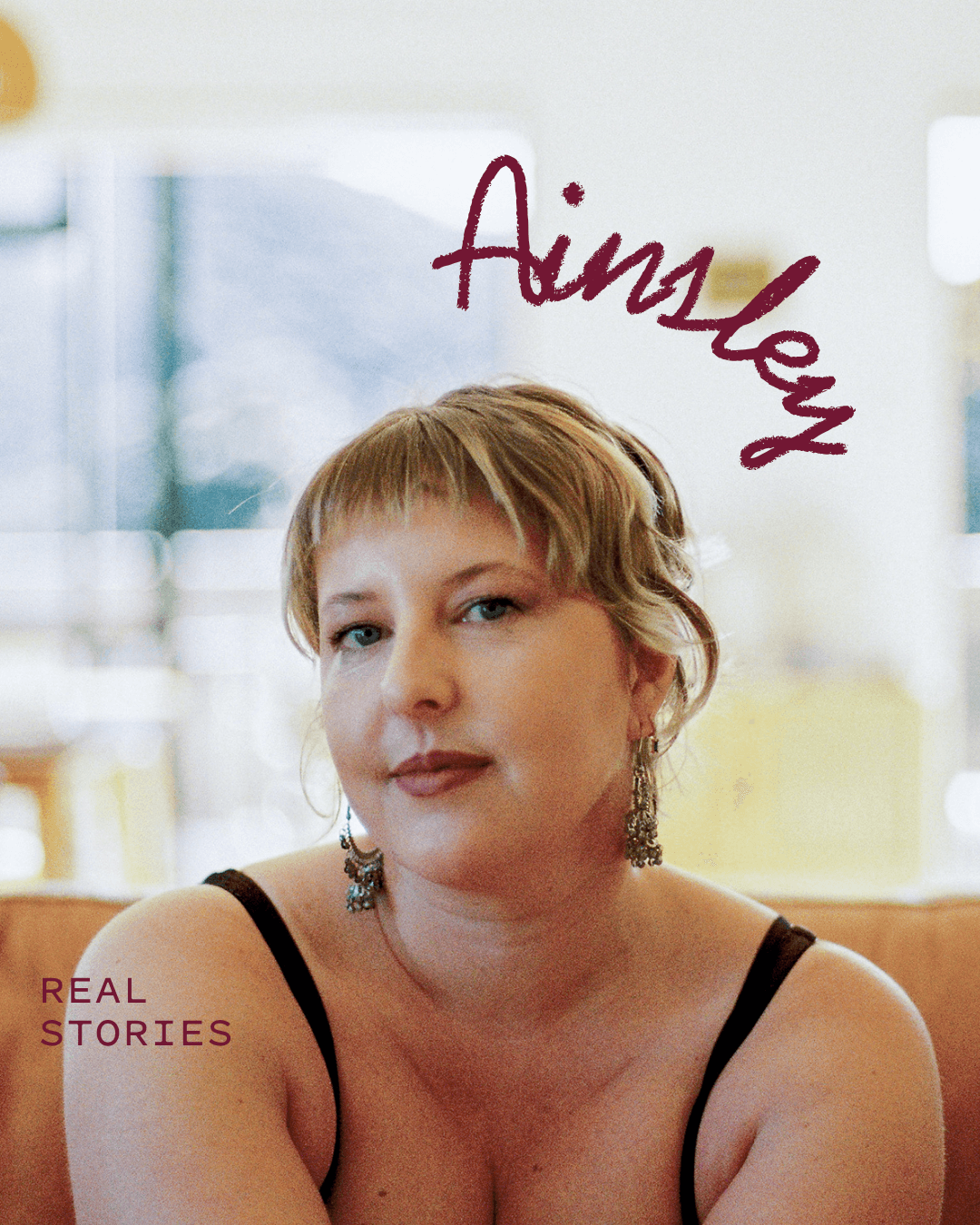
Real Stories: From Two Decades of Pain to Finally Finding Answers with Ainsley Duyvestyn-Smith
READING TIME
5 min
AUTHOR
The Cyclist
1. What's your worst, funniest, or most awkward period story?
Where to start! From bleeding through period undies, tampons and pants onto fancy restaurant chairs, to managing periods in remote villages in Africa with no running water. My period has been my most annoying travel companion throughout most of my life.
2. What have you demystified about your female body that you wish you knew when you were younger?
So much! Painful periods are not normal. I grew up with a mum who had undiagnosed adenomyosis, so I watched her have painful periods and just thought it was how periods were. It wasn't until I saw my friends functioning with periods that I realised mine was not normal. Then there are all the things we were never taught, like how our cycle impacts everything in our body, from our cravings and energy to our mood….
3. Have you been diagnosed with a women's health or gut health condition? If so, how did you know something wasn't right, and what was your journey like to get answers?
My journey was long, expensive and traumatic. I have IBS, Endometriosis, and PMDD. Like many women, it took me almost two decades to get an endo diagnosis. It was years of being told it was IBS, "learned pelvic pain", or being told that I was just "unlucky" to have "bad periods" even though I had all of the symptoms of endo. PMDD was so bad it landed me in the emergency room seeking mental health treatment. I had an IUD put in to "treat" my endo symptoms which ended up resulting in C-PTSD. IBS symptoms that haunted me since I was a teenager, spending decades and thousands on tests and treatments only to discover it was endo.
4. What was your diagnosis experience like?
I ended up getting a diagnosis due to pure luck. I had been in and out of the hospital with pelvic pain flares a few times and was repeatedly told they couldn't see endo on my scans, and that "we shouldn't jump to conclusions about it being endo just because it's trendy." I must have seen 6 or 7 doctors that last hospital stay who effectively just told me to go home and figure it out. I happened to get discharged by an endo surgeon on that trip and she was the first person to look at my files and say "oh yeah, probably endo, I'll put you on the waitlist to see a specialist." As soon as I had my first scan with an actual endo specialist they were able to confirm DIE (Deep Infiltrating Endomentriosis). Nine months later I had surgery for removal.
5. How has your condition impacted your daily life?
It has impacted every single aspect of my life from my career and finances to my relationships and social life. Every part of it has been dictated by a disease that I, for a long time, had no control over. I had to leave my job, give up on my dreams, lost friends, not to even mention a sex life! Thankfully I am now at a stage where my symptoms are manageable, and I have mostly learned how to live with it. I now work in the endometriosis and chronic illness space sharing education and creating community. I also started a documentary photography project, "Now You See Me," that aims to empower people with endometriosis to shine a light on the disease. We are halfway through the project with exhibitions coming this year. It has been the best thing I have ever done on my healing journey.
6. What symptoms made you think something wasn't right with your body?
IBS, extremely painful periods, extreme mood swings, ovulation pain, chronic pelvic pain, chronic fatigue, migraines, nausea, nerve pain, painful bowel movements, insomnia, skin rashes, frequent urination, full body muscle aches and pains. At first it was mostly just IBS and some random extreme chronic fatigue and depression flares. It took me far longer than it should have to connect the dots. I keep thinking if I had heard about endometriosis earlier, how much quicker I would have been able to put those pieces together. This is why women's health education is so important to me.
7. Have you tried anything that has helped you manage your symptoms?
I think the list of what I haven't tried is probably shorter! I have found supplements to be incredibly helpful, along with an anti-inflammatory diet and lifestyle changes. Some pharmaceutical medications have also worked wonders for me. It took me a long time to figure out the right balance between holistic therapies and traditional medicine.
8. What's one thing you wish more people understood about women's health?
I wish people understood just how underfunded, under-researched and underdeveloped it is. I wish people understood just how much our hormones, stress levels, and lifestyle impact our ability to live life. I wish people understood the trauma, pain and exhaustion that comes with trying to get a diagnosis for women's health conditions - let alone treat them. And I really wish that people understood that we deserve trauma-informed care from our medical practitioners.
9. What's the best piece of advice you've been given?
Listen to your body. It sounds cliché, but it is so true. So many of the symptoms I have had have really been my body trying to tell me something. If I have a massive inflammatory response and am super tired after drinking wine on the weekend, that's my body telling me it doesn't like wine. Then I can choose what to do with that information and make an informed decision.
10. When your body feels hard to live in, how do you take care of yourself?
The most simple, gentle and small acts of kindness - comfort TV shows, journalling, heat packs, hot baths, time in sunshine, talking to friends and family, hot cups of herbal teas and nourishing foods. And sometimes, you just have to give it all up and stay in bed for the day.
11. If you could go back and tell your younger self one thing about your body or your journey, what would it be?
Don't be afraid to fight for yourself. You know your body better than anyone else ever will. You know when something is not right don't give in to pressure.
