

Debunking social media nutrition myths with Sara Widdowson
READING TIME
10 min
AUTHOR

Sara Widdowson
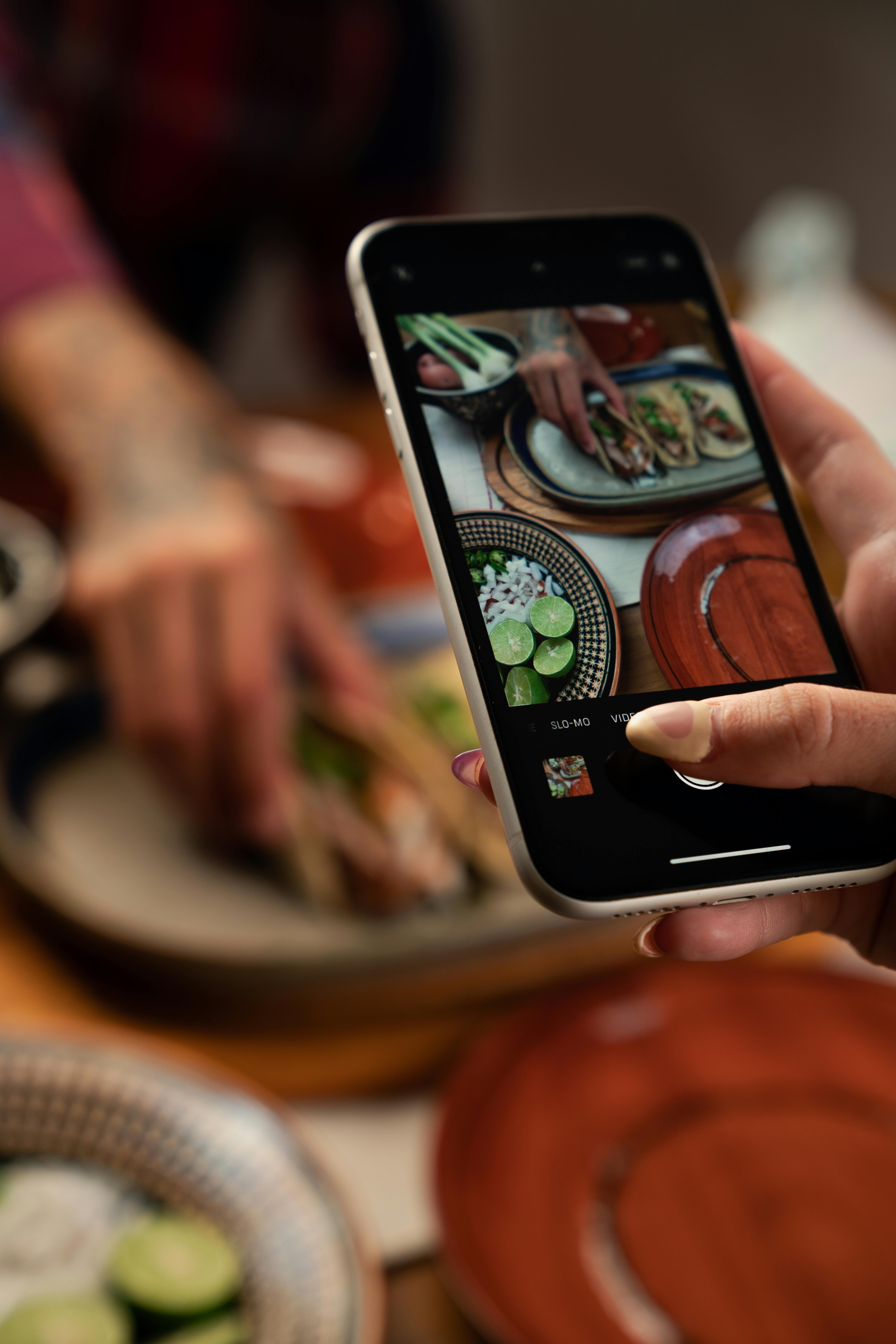
Nutrition is an element of health and wellbeing plagued with strong opinions, myths and yes, actual science. If you needed advice on your car's engine you would certainly take your vehicle to the mechanic, but when people are looking for nutrition advice, they more readily access social media for assistance rather than seeking support from a registered dietitian or nutritionist. Miscommunication, marketing and diet culture are all valid reasons why nutrition myths can easily snowball, leaving women confused about what they should and "shouldn't" be eating or supplementing.
We've all heard the myths and maybe you've even believed them to be true: cut the carbs if you have PCOS, soy is bad for our hormone health, coffee before breakfast is a big no-no. In this article we unpick and unlearn some of the common myths women have been spun about nutrition.
Soy is bad for our hormone health
Soy contains phytoestrogens, which are natural, plant-derived compounds that function as dietary oestrogens. Soy is notably the most commonly talked-about phytoestrogen, but this compound is also found in flaxseeds and legumes. It's important to note that phytoestrogens are different to oestradiol, the form of oestrogen produced and in circulation across our menstrual cycle. Some of the fear around soy consumption is linked to the knowledge that some cancers (such as certain types of breast and ovarian cancers) are oestrogen-sensitive, and therefore to the fear that soy consumption might increase cancer risk.
In the 1900s, some animal studies suggested that phytoestrogens stimulated breast tumour growth, but this has not been replicated in humans. It's important to note that animal study findings don't necessarily translate to human outcomes. Since those animal models, multiple studies involving women with breast cancer, women at high risk of breast cancer, and healthy women have shown that eating soy did not affect markers of breast cancer risk. In fact, several large observational studies show soy intake is associated with a significantly reduced risk of breast cancer recurrence and breast cancer-specific mortality, although the specific mechanism remains unknown. One theory is that phytoestrogens have an anti-oestrogenic effect, capable of binding to oestrogen receptors in the body to mimic or block the effects of oestrogen, potentially aiding in reducing cancer risk.
This anti-oestrogenic effect may also explain why soy consumption may reduce hot flushes for women post-menopause, where low oestrogen levels cause difficulty with temperature regulation. Phytoestrogens are also thought to improve cholesterol and may reduce the risk of osteoporosis.
In summary: moderate soy intake is linked to a small protective effect for heart health, certain cancers, and reduced hot flushes in menopausal women. Eating 15-25g soy protein per day appears beneficial for most people.
Drinking coffee first thing in the morning before breakfast is bad for our hormone health
This concern comes from the claim that drinking coffee in the morning spikes your cortisol levels. Cortisol is one of our stress hormones and is actually involved in our circadian rhythm, peaking in the morning to help us wake up and naturally declining as the day goes on. The concern that people raise with coffee drinking is that it would "spike" this hormone higher than the natural rise associated with circadian rhythm, impacting our health.
So, what does the evidence show?
Caffeine from coffee can increase cortisol, but only very briefly, and this is a normal physiological response that isn't harmful. There is also evidence that regular coffee drinkers experience less of a response than those who have it less often. We also know that caffeine sensitivity differs among individuals. Your total consumption of caffeine matters more to your hormone health and nervous system than the timing around meals. If you are consuming excessive caffeine (more than 200-400mg per day, or more than 1-2 double shot coffees) then this can increase feelings of anxiety, heart palpitations, or impact sleep, which would in turn affect hormone health.
As a blanket rule, coffee before food in the morning is not harmful. But it would be worth rethinking the order of breakfast and coffee if you:
Don't eat breakfast and coffee is displacing your appetite for it. Caffeine is an appetite suppressant and many women struggle to eat a balanced breakfast in the morning due to time, rushing, and in some cases their morning coffee getting in the way of appetite. Morning eating patterns and adequate protein and fibre at breakfast help to set your day up with better appetite regulation, blood sugar balance, and more sustained energy levels.
Have gut issues such as reflux, abdominal pain, or irritable bowel syndrome. Having something to eat with or before your coffee would be helpful for reducing the impact caffeine can have on those with more sensitive digestive systems.
Have iron deficiency or are taking iron supplements. Tannins in beverages such as tea and coffee inhibit iron absorption, and the current advice is to space these beverages an hour before or after iron supplementation or a meal rich in iron.
In summary: coffee before breakfast is not harmful for your hormone health. Excessive caffeine consumption can be unhelpful for sleep quality and the nervous system, and consuming coffee on an empty stomach can increase symptoms of irritable bowel syndrome.
Women with PCOS need to adopt a ketogenic or very low carbohydrate diet to manage their symptoms
Up to 90% of women with PCOS also have insulin resistance, a metabolic condition where the body is less responsive to the hormone insulin, causing higher levels of insulin in circulation. These higher levels of insulin are thought to drive some of the key symptoms of PCOS, including elevated testosterone and DHEA hormones, irregular cycles, weight gain, and acne. Insulin also makes people feel hungry, and insulin resistance can result in symptoms of fatigue and sugar cravings as a consequence. As insulin production in the body is triggered by rising blood glucose levels, carbohydrates are often targeted as the macronutrient to focus on for women with PCOS, since they are the group of foods responsible for blood sugar rises. In short, the thought process followed by some is: if carbohydrates lead to glucose spikes, and glucose spikes cause insulin release and therefore worsen insulin resistance symptoms and PCOS, then cutting carbs should improve symptoms. Logical on paper, of course, but ketogenic or very low carbohydrate diets are not recommended for PCOS management. Here's why:
Carbohydrate intake is important for ovulation in women of reproductive age. This is most likely because carbohydrate intake at meals helps trigger the production of leptin, a fullness hormone that signals to our brain that we've had something to eat. Our brain is responsible for flicking the switch that allows ovulation to take place each month, and adequate food intake is required for this to happen. Irregular ovulation or oligomenorrhea is an issue for many women with PCOS due to the impact of insulin on sex hormones, but cutting out carbohydrates altogether may only worsen cycle issues.
Many women with PCOS also have symptoms of binge eating due to insulin resistance, where this hormone drives appetite and cravings. It is estimated that up to 60% of those with PCOS would meet criteria for binge eating disorder. Sweeping statements such as "cut out carbohydrates to fix your PCOS" lead to restrictive eating, which only increases someone's likelihood of feeling out of control with food and further complicates their relationship with it.
Looking at the type of carbohydrate intake (high or low fibre, with lower fibre carbohydrates typically causing a greater glucose spike) and, more importantly, what you plate alongside those carbohydrates, matters the most. Meals that include some carbohydrates but are rich in fibre, protein, and healthy fats result in a lower glucose rise after eating, which not only keeps you fuller for longer but also reduces symptoms of insulin resistance.
Eggs are bad for our heart health
Eggs are high in dietary cholesterol, which has led many people to believe they should be limited for heart health. Back in the 1960s, it was thought that eating cholesterol-rich foods directly raised blood cholesterol levels and increased the risk of heart disease.
We now know the picture is more complex. While high blood cholesterol is a risk factor for cardiovascular disease, the body actually regulates cholesterol levels very tightly. When we eat more cholesterol from foods like eggs, the liver typically compensates by producing less.
What appears to matter more for heart health is our intake of ultra-processed foods high in saturated fats and refined carbohydrates. Saturated fat, in particular, has a greater impact on raising blood cholesterol levels. This means that foods often eaten alongside eggs (like bacon) are more likely to negatively affect heart health than the eggs themselves.
In summary, eggs are a nutrient-dense food, providing high-quality protein along with key nutrients such as choline, selenium, and vitamins A, D, and B12. They can be safely enjoyed in moderate amounts, with overall dietary patterns and cooking methods playing an important role in supporting heart health. There are more important changes people can focus on, such as increasing vegetable intake, eating more whole and less-processed foods, and reducing saturated fat intake, rather than restricting eggs.
You need protein powder to eat enough protein
Optimising protein intake is one of the biggest trends in the nutrition world right now. And this one is actually backed by science and dietitians alike. Eating adequate protein is important for muscle mass protection and synthesis, helps to keep us fuller for longer, and promotes more sustained energy levels compared to consuming carbohydrate-rich foods in isolation (eggs on toast would be a better start to your day than granola with a splash of milk, as an example). But do you need to add a protein powder to your supplement routine to actually get enough?
Protein powders can contain protein from a variety of sources, including whey and whey isolate (dairy), pea, bean, or hemp protein, or bovine protein (made from beef bones). Protein content ranges from 15-30g per scoop or serve, and protein powders usually also contain sweeteners. Most women would benefit from aiming for 20-30g protein per main meal, which of course could look like a scoop of protein powder, or:
2/3 cup Greek yoghurt, seed-based granola and berries with a drizzle of nut butter
2 eggs on seeded toast with 2 tbsp cottage cheese
100g scrambled tofu, seeded toast and 1/2 cup baked beans
The short answer is: for most people, no. You can eat enough protein from dietary sources alone. But some people may benefit from considering a protein powder, such as those with dietary limitations (plant-based, dairy intolerance, egg intolerance), or those who are looking for a time-efficient way to increase protein at certain meals, like breakfast, where we might feel rushed or less interested in larger portions of protein foods like yoghurt or eggs.
Women with PCOS should cut out gluten and dairy
You may have heard statements such as "gluten is inflammatory" or "dairy worsens acne and causes hormone issues." These bold claims are amplified on social media for women with PCOS because PCOS does involve elements of inflammation, hormonal imbalance with androgen excess, and in many cases insulin resistance. PCOS is a complex condition that is still not completely understood, and nutrition advice, while often well-meaning, can add to the confusion.
So what does the evidence say? Currently there are no high-quality studies showing that gluten consumption worsens or changes symptoms of PCOS, including hormones, insulin resistance, weight gain, or acne. Cutting gluten out of the diet of someone with PCOS is not only likely to be unnecessary but may also compromise fibre intake, as many fibre-containing foods also contain gluten (such as oats, seeded breads, and crackers). Fibre is helpful for PCOS management as it feeds the wellbeing of our gut microbiome, which is thought to influence insulin sensitivity, and also helps to promote healthy blood sugar balance after meals. The potential burden of removing gluten from the diet of someone with PCOS may also make eating more restrictive and add to the food noise they already likely hear, which has a flow-on impact on their relationship with food. Many women with PCOS can fall into binge and restrict patterns, in part because of the physiological driver of insulin resistance, but also because of the diet culture and weight stigma they often experience.
When would removing gluten be appropriate for women with PCOS? This would of course be recommended if someone had PCOS and additionally coeliac disease, which requires a strict gluten-free diet. A larger percentage of the population have non-coeliac gluten sensitivity, which is less clearly defined and may also benefit from reducing gluten.
In regards to dairy intake, it is true that dairy products stimulate insulin production (and with PCOS, insulin resistance is often present). However, dairy consumption is not thought to worsen insulin resistance overall. Dairy foods such as milk, yoghurt, and cottage cheese are also often good sources of protein, which is important for blood sugar stability for people with insulin resistance.
Acne is a common symptom experienced by women with PCOS, and there is some evidence that dairy consumption may be linked to acne, but this is not unique to PCOS and may be the case in women with acne in the absence of a PCOS diagnosis. Increased acne with dairy consumption is by no means a universal experience, but may be a contributing factor for some women.
Nutrition information for women with PCOS can feel overwhelming and contradictory. Rather than removing food groups, the evidence suggests that meaningful additions to your diet can help with PCOS symptoms and insulin resistance. Examples of additions include:
Regular meals and avoiding skipping meals or fasting, for better appetite regulation
Including adequate protein and fibre at meals and snacks to reduce the glucose wave that comes with eating carbohydrates
Favouring fibre-rich carbohydrates such as seeded bread over white bread
Including more Mediterranean-style eating, which is the strongest evidence point we have for reducing inflammation through diet. This includes seeds, nuts, olive oil, chia seeds, hemp seeds, avocados, and foods rich in antioxidants such as berries.
The short answer is no: there's no good evidence that women with PCOS need to cut out gluten or dairy unless they have a specific medical reason. Adding anti-inflammatory foods, protein, and fibre has more benefit than removing gluten and/or dairy, and it also celebrates an addition mindset, which is important for our relationship with food.
References:
Messina M. (2016). Soy and Health Update: Evaluation of the Clinical and Epidemiologic Literature. Nutrients, 8(12), 754. https://doi.org/10.3390/nu8120754
Soy and Breast Cancer: Myths and Misconceptions - https://www.aicr.org/resources/blog/soy-and-cancer-myths-and-misconceptions/
Fan, Y., Wang, M., Li, Z., Jiang, H., Shi, J., Shi, X., Liu, S., Zhao, J., Kong, L., Zhang, W., & Ma, L. (2022). Intake of Soy, Soy Isoflavones and Soy Protein and Risk of Cancer Incidence and Mortality. Frontiers in nutrition, 9, 847421. https://doi.org/10.3389/fnut.2022.847421
Simren, M., et al., Food-related gastrointestinal symptoms in the irritable bowel syndrome. Digestion, 2001. 63(2): p. 108-15
Brown, S.R., P.A. Cann, and N.W. Read, Effect of coffee on distal colon function. Gut, 1990. 31(4): p. 450-3.
McKenzie, Y.A., et al., British Dietetic Association systematic review and evidence-based practice guidelines for the dietary management of irritable bowel syndrome in adults (2016 update). J Hum Nutr Diet, 2016. 29(5): p. 549-75.
Elli Cole, Ally Grillo, Suzanne Vrshek-Schallhorn. The Moderating Effects of Regular Caffeine Use on Cortisol Reactivity under Explicit Negative-Evaluative Stress. Psychoneuroendocrinology, Volume 153, Supplement, 2023, 106202, ISSN 0306-4530,
Lovallo, W. R., Whitsett, T. L., al'Absi, M., Sung, B. H., Vincent, A. S., & Wilson, M. F. (2005). Caffeine stimulation of cortisol secretion across the waking hours in relation to caffeine intake levels. Psychosomatic medicine, 67(5), 734–739. https://doi.org/10.1097/01.psy.0000181270.20036.06
Lee J. (2023). Association between Coffee and Green Tea Consumption and Iron Deficiency Anemia in Korea. Korean journal of family medicine, 44(2), 69–70. https://doi.org/10.4082/kjfm.44.2E
Tucker, L. A., Erickson, A., LeCheminant, J. D., & Bailey, B. W. (2015). Dairy consumption and insulin resistance: the role of body fat, physical activity, and energy intake. Journal of diabetes research, 2015, 206959. https://doi.org/10.1155/2015/206959
Kuscu, NK, et al. “Celiac disease and polycystic ovary syndrome.” International Journal of Gynecology & Obstetrics, vol. 79, no. 2, Oct. 2002, pp. 149-50, https://doi-org.subzero.lib.uoguelph.ca/10.1016/S0020-7292(02)00241-2.
Shang, Yujie, et al. “Effect of Diet on Insulin Resistance in Polycystic Ovary Syndrome.” The Journal of Clinical Endocrinology & Metabolism, vol. 105, no. 10, Oct. 2020, pp. 3346–60, https://doi.org/10.1210/clinem/dgaa425.
Leung, Wing Ting, et al. “Lower Fiber Consumption in Women with Polycystic Ovary Syndrome: A Meta-Analysis of Observational Studies.” Nutrients, vol. 14, no. 24, Dec. 2022, pp. 5285, https://doi.org/10.3390/nu14245285.
