

Real Stories: From Ibuprofen to Opioids: My Endo Story with Dora Dondi
READING TIME
5 min
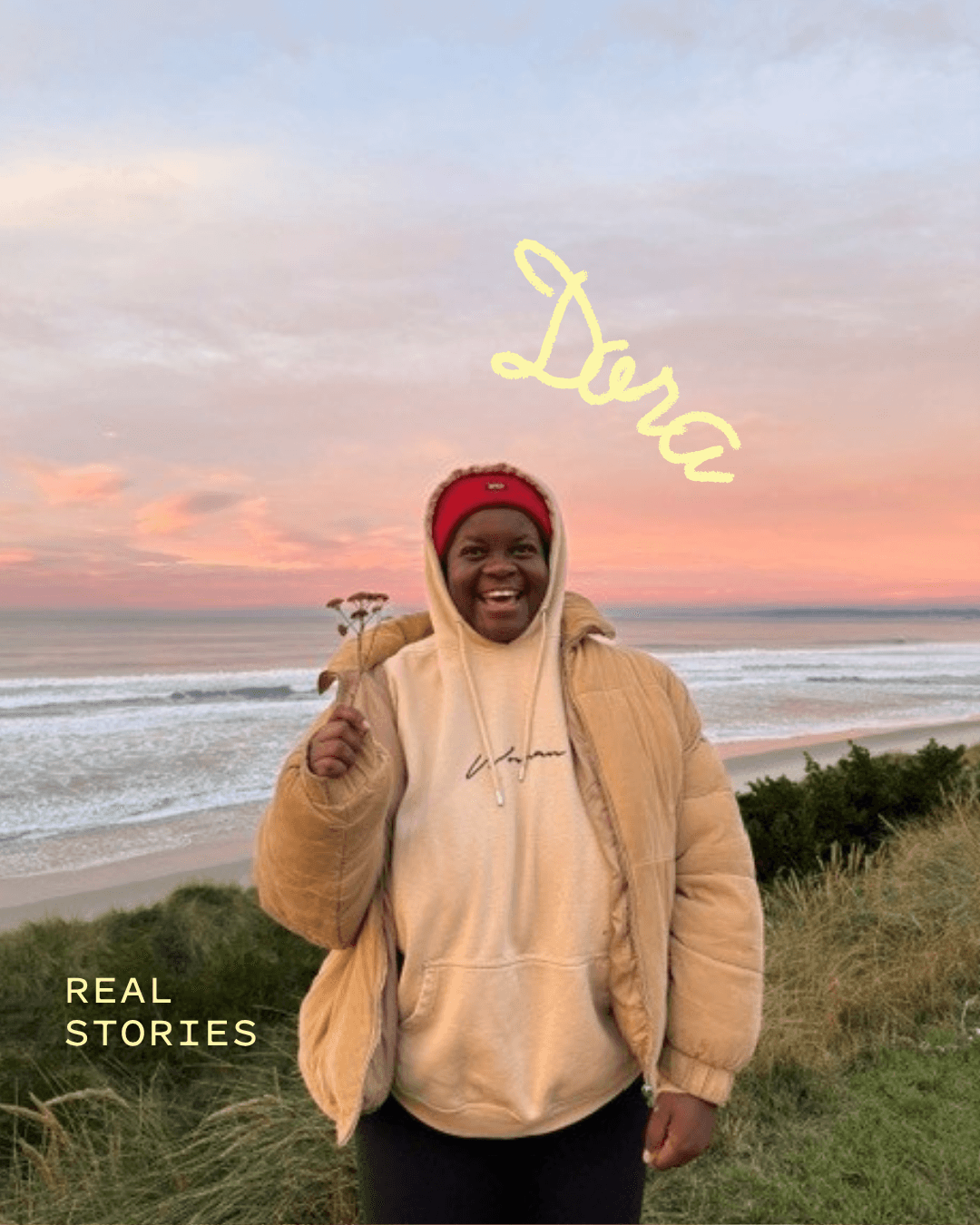
What's your worst, funniest, or most awkward period story? It was my first year of having a period and I was staying at a family friend's beach house when I got my period. I was so embarrassed because this was my first time having a period without my mum around, and I didn't know what to ask for. So when my bloodied sheets were found, I lied and said that my back was bleeding. That lie was quickly figured out and before I knew it I was handed a $20 note, walked to Foursquare and told that I had to buy my own pads. That family friend taught me for the first time in my life that periods were not something to be embarrassed about, lied about, or kept secret.
What have you demystified about your female body that you wish you knew when you were younger? The sooner you are secure about your body's shape, the simpler and less shameful life becomes.
Have you been diagnosed with a women's health or gut health condition? If so, how did you know something wasn't right, and what was your journey like to get answers? I was diagnosed with stage 4 endometriosis in June 2024. I grew up with super heavy periods and intense pain, and I remember being so frustrated by my periods that I asked my mum at 14 years old if I could have surgery to get my eggs removed so I wouldn't get periods anymore. My journey to get answers started out like most women. I went through the progression of ibuprofen, naproxen and diclofenac pain relief without thinking much of it, until I had to start going to hospital in 2023 because my body started to only respond to opioid level medication for period pain relief.
What was your diagnosis experience like? I am so fortunate to have had a GP who quickly sounded alarms when my period pain escalated. I was 25 years old when my GP sat me down and told me she suspected I had endometriosis, and explained what the next steps were and what this meant for my future fertility. My body didn't respond well to the countless birth control options I tried, and after months of trial and error I chose to come off all medication until I was seen by a gynaecologist.
How has your condition changed your daily life? I have had to stop working and move back home to focus on full recovery and rest. Recovery post op has gone slower than I wanted. My body is also constantly fatigued, and if plans are made to socialise with friends, extra rest time is needed to recover.
What symptoms made you think something wasn't right with your body? I knew something was off when I started bleeding so much that I had to start wearing maternity pads, and would be in so much pain that I would get nauseous and vomit. I ignored those symptoms at first, until my periods went from 7 days to about 14 days of heavy bleeding. The dots started to connect when I described these changes to my GP in the first conversation I had about endometriosis.
Have you tried anything that has helped you manage your symptoms? Sounds radical, but as soon as I had that first endometriosis conversation with my GP, I made a decision to delete all social media. Leaving social media was the best thing I did while waiting for a diagnosis because I was able to sleep at night and trust in my GP instead of worrying. I look back at those 16 months before surgery and I am so thankful for the opportunity to switch off fully and focus on doctor's appointments, counselling and rest, when I could have easily spent countless hours anxiously scrolling through medical reels and TikToks, stressing myself out and being overwhelmed by potential misinformation.
Having a faith in God and being part of a church community has also been really helpful. I was bedridden for most of 2023 and not able to do much, and for months people from church would constantly check in on me, dropping off meals, snacks, flowers and care packages. People visited, sat in silence with me when I didn't have the energy to hold a conversation, and some came and deep cleaned my room while I rested. Community helped me stay anchored in a season where I had every reason to call it quits and isolate myself into loneliness.
Other things that have helped me are strength training when I don't have flare ups, gentle consistent movement like walking, and keeping track of every symptom so that doctor appointment conversations are clear.
What's one thing you wish more people understood about women's health? Recovery for something like endometriosis is not linear and does not happen in a predictable pattern, so having grace and patience for friends with endo when they have to suddenly change plans and become unavailable is so important.
If you could tell younger you one thing about your body, what would it be? Be as repetitive as you need to be until you are understood. Have grace and patience for people who don't understand the intensity of your symptoms, and you will be less offended.
When your body feels hard to live in, how do you take care of yourself? I text people in my community and let them know I'm struggling so I'm not struggling in isolation, turn my phone off, sleep, hydrate, journal and get into my bible.
