

Anti-Inflammatory Foods That Actually Support Your Gut (And Your Hormones)
READING TIME
10 min
AUTHOR

The Cyclist
We talk a lot about inflammation in women's health spaces. It shows up in conversation around endometriosis, adenomyosis, PMOS, period pain, and a dozen other conditions that affect so many of us. But inflammation can feel like a buzzword. One of those things that sounds important without ever being fully explained.
So let's change that.
Here's what we actually know about inflammation, your gut, and why the food on your plate might be one of the most powerful tools you have.
What Is Inflammation, Really?
Inflammation isn't inherently bad. Short-term inflammation is your body doing its job: fighting infection, repairing injury, keeping you safe. The problem is chronic, low-grade inflammation, the kind that quietly lingers in your body for months or years, linked to conditions like heart disease, autoimmune disorders, and a growing body of research connecting it to reproductive health issues.
Your Gut Is Running the Show
Before we get into the food list, we need to talk about our gut microbiome, because this is where a lot of the action actually happens.
Your gut is home to trillions of bacteria, and their balance (or imbalance) has a direct impact on inflammation levels throughout your body. Research published in Frontiers in Nutrition (2024) confirms that diet is the single most significant modifiable factor influencing your gut microbiota composition. What you eat shapes the bacteria you grow, and those bacteria shape how inflamed or calm your body feels.
For women with endometriosis, this connection goes even further. Studies have shown that women with endometriosis tend to have reduced gut microbiome diversity and changes in bacterial composition compared to women without it. Those microbial shifts appear to influence inflammation, estrogen metabolism, and symptom severity. In short: your gut and your hormones are in constant conversation.
When gut bacteria break down dietary fibre, they produce something called short-chain fatty acids (SCFAs). SCFAs have anti-inflammatory properties and help regulate immune responses, which is one of the reasons a fibre-rich diet has real, research-backed benefits for women managing inflammatory conditions.
So, what do we want to eat more of?
Oily Fish (Salmon, Sardines, Mackerel)
Omega-3 fatty acids are among the most well-studied anti-inflammatory nutrients we have. Research from the large-scale VITAL trial (which followed over 25,000 adults) found that omega-3 supplementation reduced key inflammatory markers, particularly in people who ate little fish. Beyond that, omega-3s have been shown to increase beneficial bacteria like Bifidobacteria while decreasing pro-inflammatory bacteria in the gut.
Aim for two to three serves of oily fish per week if you can. Sardines and mackerel are often more affordable options than salmon and are just as effective.
Leafy Greens and Cruciferous Vegetables
Broccoli, kale, spinach, silverbeet, Brussels sprouts, bok choy. These are polyphenol-rich foods, and polyphenols are bioactive compounds that reduce inflammation when metabolised in the gut. Research published in Frontiers in Nutrition (2024) identifies polyphenols as one of the primary dietary compounds supporting gut health and lowering inflammation.
They're also fibre powerhouses, which feeds the beneficial bacteria we just talked about.
Berries
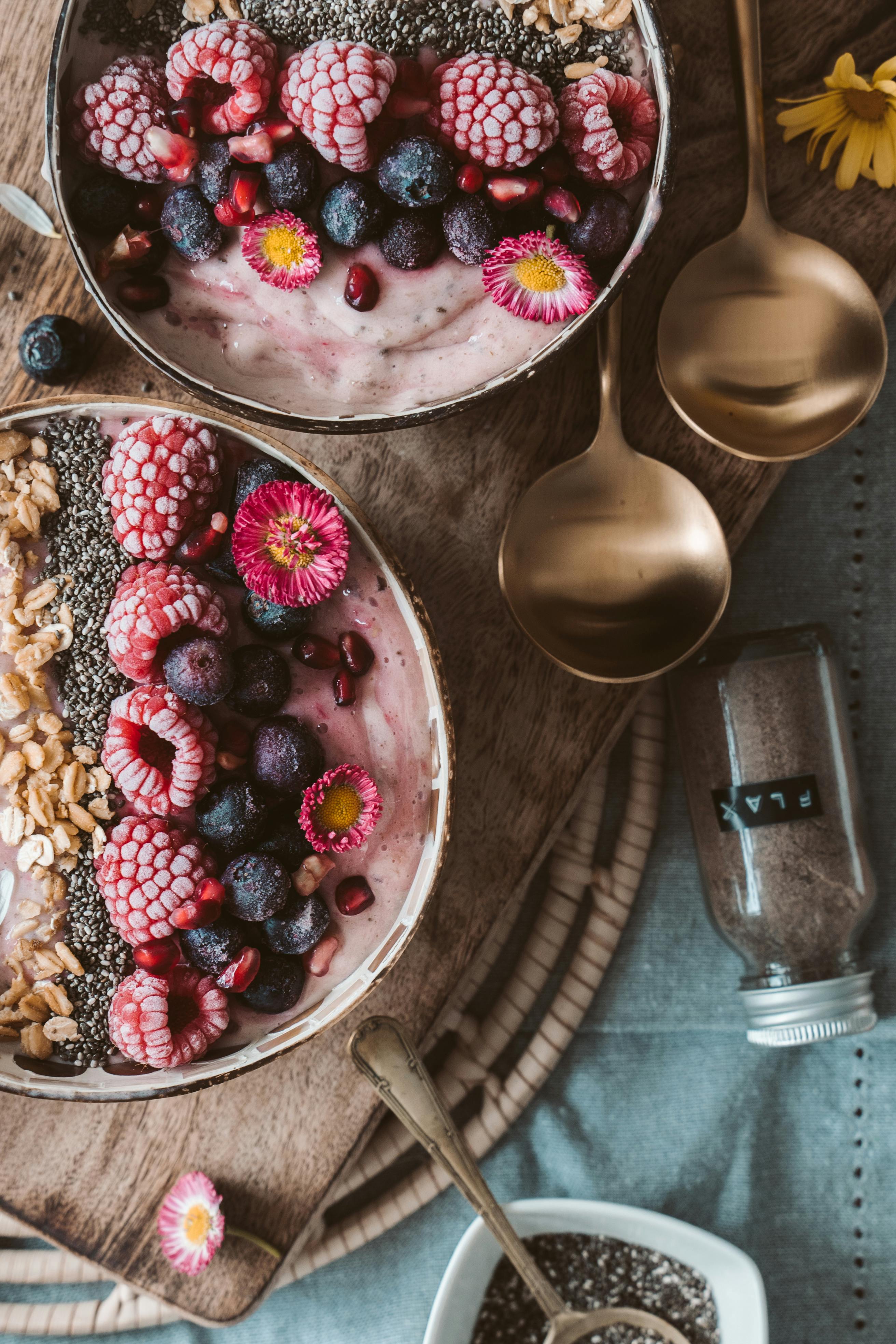
Blueberries, raspberries, strawberries, and blackberries are among the highest polyphenol-containing foods you can eat. They're also relatively low in sugar compared to other fruits, which matters (more on that below). If you can, organic berries are always best.
Legumes and Wholegrains
Lentils, chickpeas, black beans, oats, quinoa. These are prebiotic foods, meaning they feed the good bacteria in your gut. Research specifically notes that fibre-rich carbohydrates like oats and legumes support the microbiome and help maintain the integrity of the gut lining.
For women with endometriosis, fibre has an added benefit: it binds to excess estrogen in the digestive tract and helps remove it from the body. Since endometriosis is an estrogen-dependent condition, this may help with symptoms.
Extra Virgin Olive Oil
The Mediterranean diet consistently shows up in the research as one of the most effective dietary patterns for reducing inflammation, and olive oil is one of the most used ingredients. It's rich in oleocanthal, a compound that works similarly to ibuprofen in the body.
Fermented Foods
Yoghurt (with live cultures), kefir, kimchi, sauerkraut, miso. Fermented foods introduce beneficial bacteria directly into the gut. Research has specifically linked yoghurt and kefir consumption to increased abundance of Lactobacillus and Bifidobacterium, two of the most important beneficial bacterial species. These strains help prevent gut permeability (often called "leaky gut") and lower chronic, low-grade inflammation.
Turmeric
Curcumin (the active compound in turmeric) is a well-documented anti-inflammatory agent. It inhibits inflammation through several mechanisms, including the COX-2 pathway, which is the same pathway targeted by anti-inflammatory medications like ibuprofen. The catch is that curcumin is poorly absorbed on its own. Black pepper significantly increases absorption, so cook them together or look for supplements that include piperine.
Nuts and Seeds
Walnuts, flaxseeds, and chia seeds are particularly valuable because they contain plant-based omega-3s. They also provide fibre and polyphenols, meaning they're supporting gut health and reducing inflammation at the same time.
What to Eat Less Of
This isn't about restriction or guilt. It's about understanding that some foods actively promote inflammation, and knowing that gives us choice.
Ultra-processed foods. A 2025 report in the journal Nutrients found that ultra-processed foods can alter gut bacteria composition, damage the gut lining, and switch on inflammatory genes in cells. Packaged snacks, fast food, processed meats, commercial baked goods: these aren't doing our microbiome any favours.
Added sugars. Diets high in refined sugar promote chronic inflammation and can disrupt the balance of gut bacteria. This includes the obvious culprits (soft drinks, lollies, pastries) but also less obvious sources like flavoured yoghurts, jarred sauces, and breakfast cereals.
Trans fats. Found in many fried and commercially baked foods, trans fats have a documented link to elevated inflammation.
Alcohol. Alcohol disrupts the gut microbiome and promotes inflammatory processes. Research shows alcohol can increase the activity of aromatase (the enzyme that produces estrogen) and slow the liver's ability to clear it, meaning estrogen levels can rise (Kopec et al., Ginekologia Polska, 2025). For women managing estrogen-dependent conditions like endometriosis or adenomyosis, two large meta-analyses found alcohol consumption was associated with a 24 to 36% higher risk of endometriosis compared with non-drinkers (Guo et al., American Journal of Obstetrics and Gynecology, 2013), though researchers note the relationship is complex and still being studied. We're not saying never have it. We're saying it's worth being aware of.
So where to start?
If you're feeling overwhelmed, don't worry there is no perfect anti-inflammatory diet. Whilst we know the dietary patterns with the strongest research behind them to be the most beneficial is the Mediterranean diet and plant-forward whole food diets. They both share a common thread: lots of vegetables, quality protein, healthy fats, fibre, and minimal ultra-processed foods.
You don't need to overhaul everything overnight. Small, consistent shifts tend to be more sustainable than dramatic ones.
We're not saying that eating an anti-inflammatory diet will magically fix a chronic condition. What we are saying is that research shows us what we eat has a genuine, measurable impact on gut health and inflammation levels, and we think that is worth knowing.
As always, please talk to your GP, gastroenterologist, or a registered dietitian before making significant dietary changes, especially if you are managing a diagnosed condition. This content is educational and is not a substitute for individual medical advice.
If you're interested to read more, here is a list of places to start:
Harvard Health (2025): "Quick-start guide to an anti-inflammation diet"
Frontiers in Nutrition (2024): "Reinventing gut health: leveraging dietary bioactive compounds" (fnut.2024.1491821)
Frontiers in Nutrition (2026): "Anti-inflammatory dietary interventions in inflammatory bowel disease"
MDPI Nutrients (2025): "Unraveling the Role of Foods on Chronic Anti- and Pro-Inflammatory Cytokines"
