

The Gut–Vagina Connection No One Talks About
READING TIME
5 min
AUTHOR

Sara Widdowson
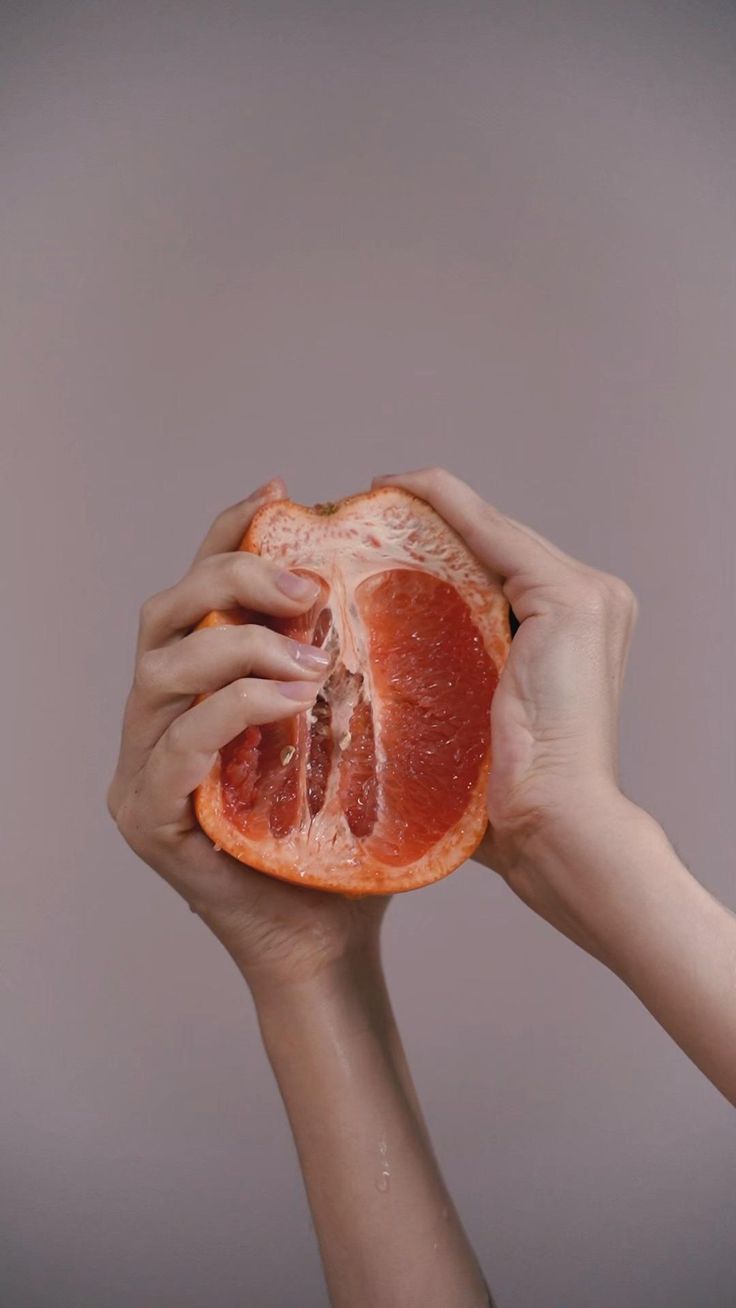
Many of us are now aware that we share our body with gut microbiome and that these dynamic, microecosystems present in our body have a role in our health including immunity, mood and even hormone clearance. But, are you aware that our vagina is also home to its own microbiome?
Vaginal microbiome not only fluctuate during our menstrual cycle with peaks and troughs in hormones but also across our entire life. Research is now helping to give some clarity on how vaginal microbiome changes in perimenopause and post menopause and how this plays into genital urinary symptoms for women in midlife. Vaginal health is important for our fertility, comfort and reducing risk of conditions such as thrush or even rate of sexually transmitted diseases. However, much more is understood about our gut microbiome than our vaginal microbiome with research historically focusing on oral and gut bacteria.
While one of the elements of the health of our gut bacteria is an ecosystem that is rich in diversity - with more varied species of bacteria favoured, our vaginal microbiome health is different with the bacteria Lactobacillus being the dominant microbe.
Although our gut microbiome and vaginal microbiome clearly reside in different parts of our body there is a relationship between them. The gut-vaginal axis is complex and likely not completely understood but we do know that the health of one influence the other. Our gut bacteria in our large intestine acts as a reservoir or bank for bacteria that are able to migrate to the vagina including Lactobacillus. The presence of adequate Lactobacillus in our reproductive tract is thought to be crucial for the health of our vagina and also prevention of conditions associated with vaginal bacteria dysbiosis (or poor ratio of “good” to “bad” bacteria). Low Lactobacillus increases our susceptibility to pathogens, yeast infections, and has even been linked to pelvic pain and Endometriosis. Bacterial vaginosis or BV is also characterized by the sharp decline in the total number of Lactobacillus. Gut microbiome dysbiosis has also been associated with lower Lactobacillus in the vagina.
The role of the estrobolomes is another link in the chain between gut and vaginal health. Estrobolomes are specific types of microbiome found in our large intestine which have a role in processing and recycling the sex hormone Oestrogen. These microbiome are able to excrete excess oestrogen in our system through our bowel motions but also put oestrogen back into circulation if needed as this hormone is processed through our gut. Oestrogen presence in circulation and in our vagina are crucial for our vaginal microbiome. Oestrogen promotes the growth of, you guessed it, Lactobacillus, by stimulating vaginal cells to produce glycogen. This glycogen is converted into lactic acid, maintaining a low, acidic pH (3.5–4.5) that protects against infections like bacterial vaginosis and yeast infections. When oestrogen drops such as post menopause this glycogen production decreases, causing Lactobacillus levels to fall and the pH to rise increasing a women’s risk of vaginal inflammation and pathogens causing thrush or BV.
So, while not completely understood, it is clear that looking after your gut microbiome will likely benefit your vagina too.
Supporting the gut-vaginal axis through diet:
Fibre forward eating is important for the health of both your gut and vaginal bacteria as fibre is a prebiotic. Prebiotics are essential for the health of your gut microbiome as they provide nutrition for these organisms. Prebiotics from fibre are able to pass undigested through your small intestine into your large intestine and are fermented by the gut bacteria, creating by-products such as short-chain fatty acids which are crucial for the health of the microbiome. Fiber is found in plant-based foods including vegetables, fruits, nuts, seeds, cereals including oats and wholegrain bread, legumes and pulses. Adult women require 25-35g of fibre per day and ideally from a variety of sources with nutrition recommendations supporting the benefit of incorporating more variety of plants into our daily nutrition. Increasing your fibre intake and plant diversity can be done in small but impactful ways including:
Adding tinned beans or lentils through meat dishes (such as mince meals or curries) to boost fibre and plant protein
Topping breakfast cereals such as oats with ground nuts and seeds
Using soaked chia seeds as a topping to yoghurt or breakfast cereals
Using pulse pasta over wheat pasta
Including an additional 2-3 serves (1/2 cup) vegetables into your daily diet – think handful of spinach into your smoothie, grated vegetables into meals, pre chopped vegetables as an addition to your snack plate
In addition to adding fibre to your diet it is also beneficial to consider what dietary habits are harmful for our gut and therefore vaginal microbiome. Foods that are known to be unfavoured by the gut bacteria are:
Artificial sweeteners such as sucralose which may be used in diet products, drinks and chewing gum. These can negatively alter gut bacteria balance
Ultra-processed foods such as fast foods, packaged snacks and additives that can impact on diversity of gut flora
High-fat and fried foods. These foods contain high amounts of saturated fats and trans fats which can alter gut bacteria balance
Alcohol. Excessive intake impacts on diversity of the gut microbiome but also can thin the gut’s protective mucus layer
Probiotics are thought to be beneficial to gut microbiome and also vaginal microbiome but this is an area of supplementation where the marketing of such products has surpassed the research still required to help us understand important elements such as dose, strain of probiotic and timing of supplementation. Lactobacillus strains such as L. crispatus show the most promise for supporting vaginal microbiome by restoring lactobacilli dominance and reducing pH to promote favourable conditions in the vagina. Evidence currently shows that they are an effective treatment for bacterial vaginosis (BV) along side medical treatments with some research suggesting that probiotic use alongside antibiotics for BV may half the reoccurrence rate. There is also interesting debate regarding the best way to take probiotics for vaginal microbiome. Both vaginal suppositories and oral capsules can introduce beneficial strains to the vaginal ecosystem, with some studies suggesting the "gut-vagina axis" allows oral probiotics to travel from the gut to the vagina.
References:
Chen, X., Lu, Y., Chen, T., & Li, R. (2021). The Female Vaginal Microbiome in Health and Bacterial Vaginosis. Frontiers in cellular and infection microbiology, 11, 631972. https://doi.org/10.3389/fcimb.2021.631972
El Aila NA, Tency I, Saerens B, De Backer E, Cools P, dos Santos Santiago GL, et al. Strong correspondence in bacterial loads between the vagina and rectum of pregnant women. Res Microbiol. (2011) 162:506–13. 10.1016/j.resmic.2011.04.004
Amabebe E, Anumba DOC. The vaginal microenvironment: the physiologic role of Lactobacilli. Front Med. (2018) 5:181. 10.3389/fmed.2018.00181
Rinninella E, Raoul P, Cintoni M, Franceschi F, Miggiano GAD, Gasbarrini A, et al. What is the healthy gut microbiota composition? A changing ecosystem across age, environment, diet, and diseases. Microorganisms. (2019) 7:14. 10.3390/microorganisms7010014
https://www.health.harvard.edu/diet-and-nutrition/prebiotics-understanding-their-role-in-gut-health
Shen, L., Zhang, W., Yuan, Y., Zhu, W., & Shang, A. (2022). Vaginal microecological characteristics of women in different physiological and pathological period. Frontiers in cellular and infection microbiology, 12, 959793. https://doi.org/10.3389/fcimb.2022.959793
Amabebe, E., & Anumba, D. O. C. (2020). Female Gut and Genital Tract Microbiota-Induced Crosstalk and Differential Effects of Short-Chain Fatty Acids on Immune Sequelae. Frontiers in immunology, 11, 2184. https://doi.org/10.3389/fimmu.2020.02184
https://asm.org/articles/2025/april/can-probiotics-transform-vaginal-microbiome
